
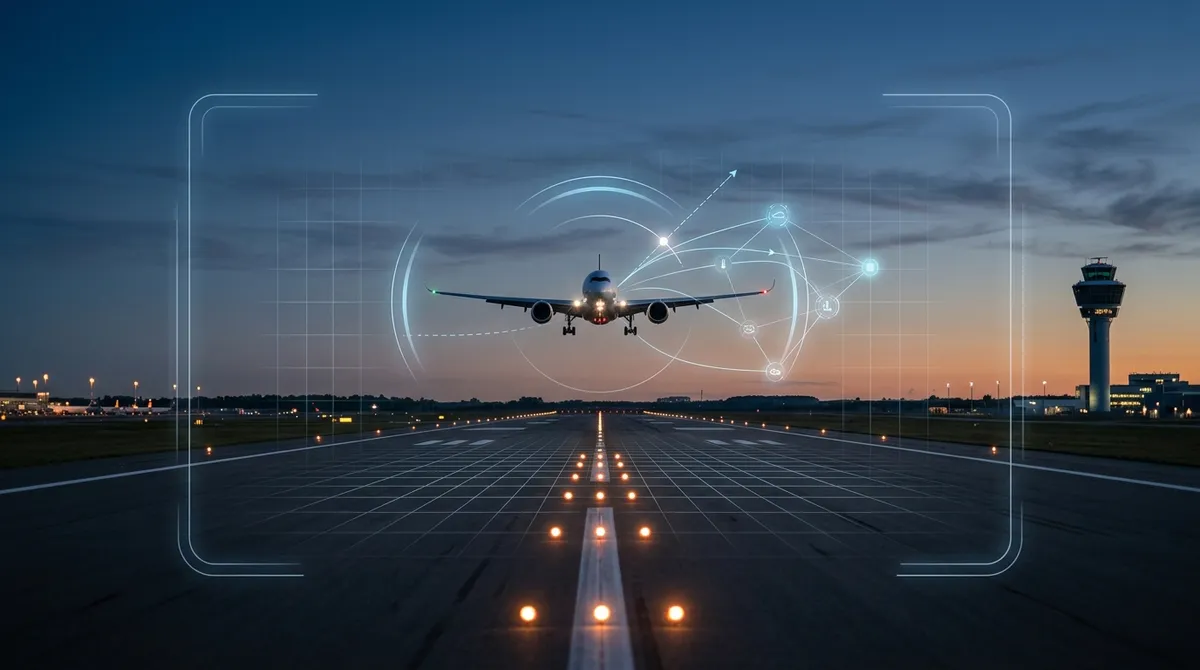
TL;DR: The FAA is partnering with AI firms like Palantir to enhance aviation safety, focusing on reducing runway incidents while emphasizing the need for human oversight. This article explores the implications and future of AI in air traffic control.
Introduction
Imagine a world where artificial intelligence (AI) helps pilots avoid accidents before they even happen. That's the vision the Federal Aviation Administration (FAA) is crafting as it partners with AI firms, including the notable Palantir, to bolster air traffic control safety. As technology rapidly evolves, so does the potential to improve aviation safety, efficiency, and reliability. But with great power comes great responsibility. The question we need to tackle is: Can AI truly enhance our skies without overshadowing the invaluable role of human oversight?
The Move to AI: What’s Driving This Partnership?
Aging Infrastructure and Safety Demands
With aging air traffic control systems struggling to manage the increasing global air traffic, the FAA is facing pressure to modernize its infrastructure. As air travel becomes more crowded, the importance of enhancing safety protocols has never been greater. Partnering with AI firms gives the FAA a chance to leverage innovative tech solutions to address these pressing safety concerns.
Introducing Palantir: A Player in Safety Systems
Palantir has made a name for itself in the data analytics space, working with various governmental agencies including the defense sector. Now, it is diving into the realm of aviation to develop tools aimed at monitoring and improving runway safety. Using data-driven insights, these tools promise to analyze patterns and predict potential safety risks.
Can AI Prevent Runway Collisions?
Harnessing Data for Predictive Safety
AI's ability to process massive amounts of data quickly allows for the identification of trends that human controllers may not notice. By analyzing historical data, live flight conditions, and even weather patterns, AI can assist flight controllers in making faster, more informed decisions about potential runway conflicts.
Real-World Applications in Air Traffic Control
Imagine an AI system that predicts a potential runway incursion based on real-time flight data, automatically alerting air traffic controllers and pilots to necessary adjustments. Such proactive measures could greatly reduce the likelihood of accidents, enhancing overall aviation safety.
The Risks: Over-Reliance on Algorithms
The Dark Side of Automation
While AI offers unprecedented capabilities, it also raises concerns about dependency on automated systems. In high-stakes environments like air traffic control, an unexpected system failure could lead to catastrophic consequences. As exciting as AI advancements are, experts warn against over-reliance, advocating for a balanced approach that incorporates human judgment.
Why Human Oversight Still Matters
Human controllers bring intuition, experience, and situational awareness that AI simply can’t replicate. While algorithms excel at recognizing patterns, they may lack the nuanced understanding required in unpredictable scenarios. Therefore, maintaining that human touch in safety-critical operations is essential to mitigate any unforeseen challenges.
The Path Forward: Integrating AI and Human Expertise
A Collaboration Model
The ideal future of air traffic control blends the efficiency of AI with the expertise of human controllers. This collaborative model means that while AI can support decision-making, humans remain ultimately in charge, ensuring that technology enhances rather than replaces the invaluable human insight.
Regulatory Frameworks and Training
To implement this collaboration effectively, appropriate regulatory frameworks must be established. Training programs for air traffic controllers must also evolve to equip them with the skills necessary to work alongside AI systems. This joint integration not only enhances safety but also builds trust in the technology itself.
Conclusion: A Future with Smart Skies?
As the FAA delves deeper into the world of AI, the partnership with companies like Palantir provides an intriguing glimpse into the potential for safer skies. However, reflecting on the limits of AI and the necessity of human oversight is crucial as we embrace this technological shift. By ensuring a balance between innovation and human intervention, we can pave the way for a safer and more efficient air traffic control system that benefits pilots, passengers, and the entire aviation community.
In summary, the FAA's push for AI-enhanced air traffic control might just be the catalyst needed to address long-standing safety issues, but this journey must prioritize the irreplaceable value of human expertise. Only then can we truly trust our skies.