
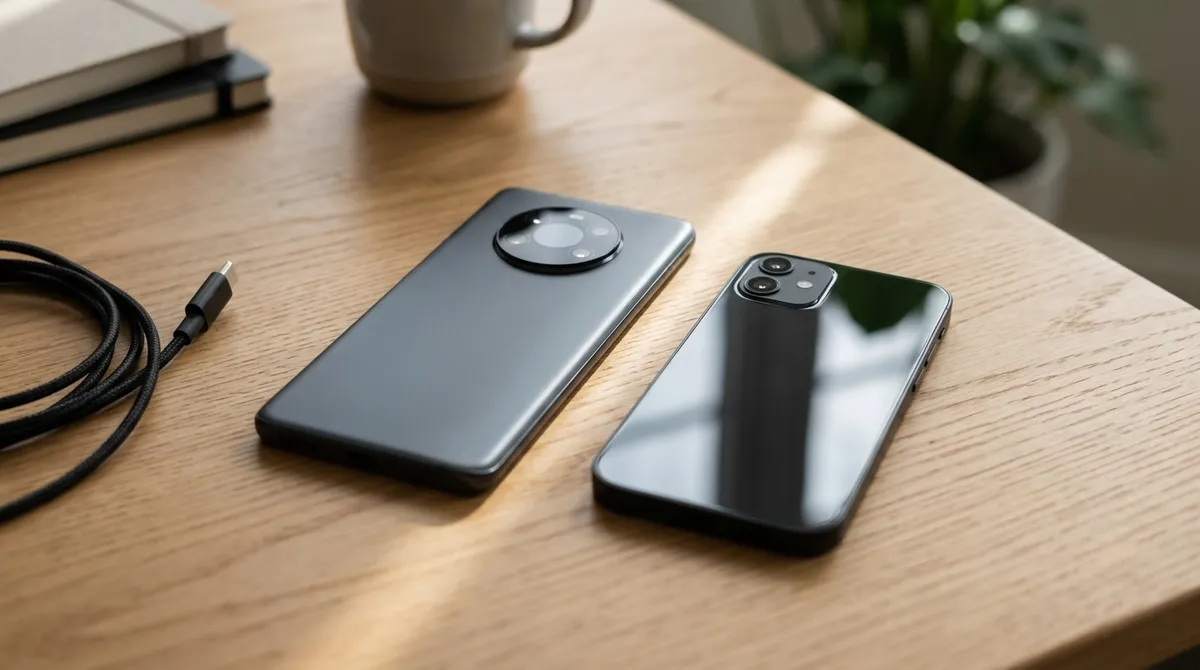
In a recent experiment, a tech reviewer made the bold decision to switch from a OnePlus 13R to an older iPhone 13 for ten days. The goal? To assess if the Apple ecosystem still met their needs and to explore the nuances of daily use between the two operating systems. This switch comes at a time when smartphone loyalty is increasingly fluid, and users are reevaluating their priorities between hardware performance and ecosystem perks.
Analyzing Battery Life
One of the first tests was battery performance. The OnePlus 13R is equipped with a robust battery, designed for long-lasting use. In comparison, the iPhone 13, while reliable, showed a noticeable weakness. The reviewer found that with regular usage, including browsing and various app activities, the iPhone required charging more frequently. This mimics a trend many users notice—premium features of older iPhones losing ground against newer Android devices, especially when it comes to endurance on a full charge.
Screen and Display Quality
Next, the screen experience was put under scrutiny. The OnePlus 13R boasts a stunning AMOLED display, and during daily tasks, it outshone the iPhone 13’s LCD in terms of brightness and color richness. Watching videos or scrolling through images was far more vibrant on the OnePlus. For users who prioritize media consumption, this difference can significantly impact their enjoyment and engagement.
Camera Capabilities
When it came to photography, the iPhone 13 delivered crisp images, a hallmark of Apple’s camera technology. However, in the reviewer’s hands, the OnePlus 13R still held its ground, providing dynamic range and impressive low-light performance. While the iPhone's capabilities are commendable, the value of the newer Android camera tech could not be overlooked. This indicates that the camera performance of both devices appeals to different user preferences and use cases.
App Integration and Usability
Another crucial aspect considered was how each ecosystem managed app integration and daily usability. The reviewer noted that while Apple’s ecosystem offers seamless app integration across devices, the Android experience on the OnePlus remained fluid and intuitive. This balance of performance versus ease-of-use is often a decisive factor for many users. As Apple phones edged closer to the $1,000 mark, the question becomes: are the ecosystem perks worth such an investment?
Conclusions from the Experiment
After ten days, the conclusion drawn by the tech reviewer was that, despite some annoying quirks with the OnePlus, it still outperformed the older iPhone 13 for their specific needs. The review emphasized that while newer iPhones are equipped with incredible technology, the daily frustrations and hardware limitations of older models cannot be ignored. This highlights the reality that while Apple retains a strong following, Android devices like the OnePlus are changing the game for users focused on value without sacrificing performance.
Switching ecosystems is not merely a matter of specs and price; it's about daily habits and the overall user experience. For those considering such a switch, this comparison serves as a reminder to weigh both performance and ecosystem benefits in making tech decisions. Ultimately, as smartphone manufacturers like OnePlus exit pivotal markets, consumers will need to stay sharp, choosing devices that best fit their lifestyle and technological needs.