
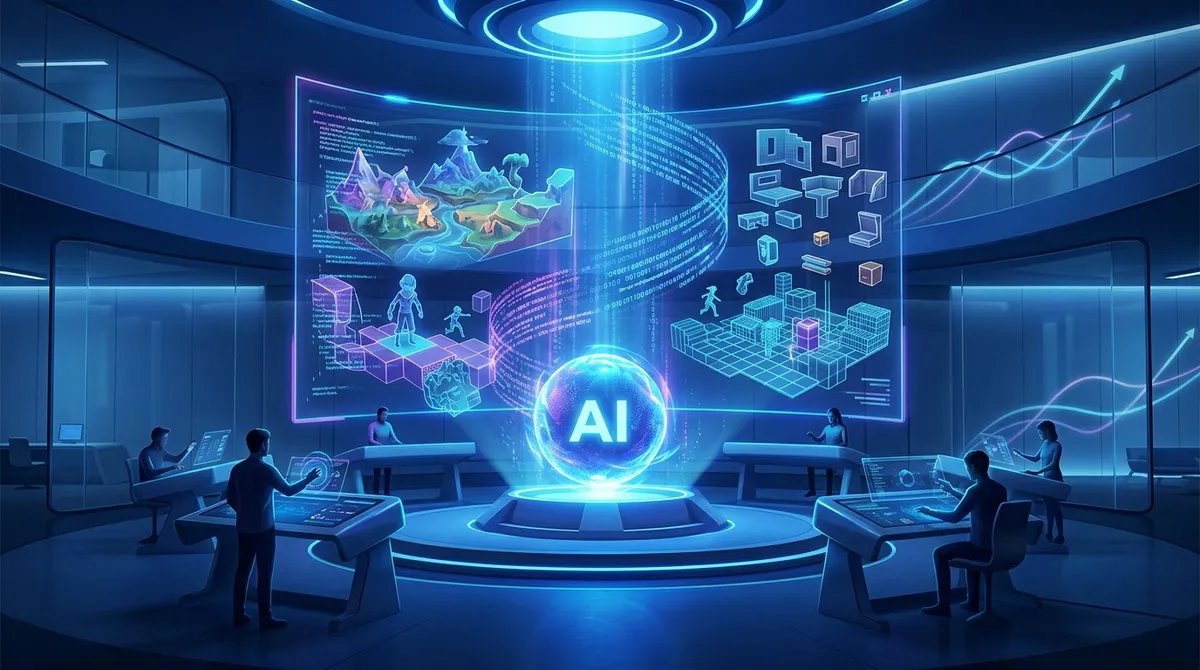
AI Revolution in Game Development Takes Center Stage
The gaming industry is witnessing a transformative shift as AI-powered game development and procedural content creation emerge as dominant forces. According to reports from Spherical Insights, this rapidly evolving market is projected to experience explosive growth over the next decade.
The market, valued at approximately USD 6.8 billion in 2025, is expected to reach USD 28.4 billion by 2035, representing a compound annual growth rate of 15.2%. This four-fold expansion reflects the increasing integration of artificial intelligence tools across game development workflows.
From Experimental to Essential
What was once considered experimental technology is now becoming core production infrastructure for game studios. According to reports, AI and procedural generation are moving beyond novelty applications to essential tools that address critical industry challenges.
Game studios face mounting pressure to deliver larger virtual worlds, implement faster content updates, and provide more personalized player experiences while maintaining cost control. These demands have created an environment where AI-powered solutions are not just advantageous but necessary for competitive survival.
Reshaping Development Workflows
The impact of AI extends across multiple aspects of game creation. Reports indicate that AI tools are transforming workflows through auto-generated environments, enhanced NPC behavior systems, and live content updates. This technological shift enables developers to create more dynamic and responsive gaming experiences at scale.
Procedural content creation, in particular, has gained significance for open-world game development. This technology allows for the automatic generation of vast, diverse environments without the traditional resource-intensive manual design process.
Implications for Different Developer Segments
The market expansion carries different implications for various segments of the gaming industry. For indie developers, AI tools represent an opportunity to compete more effectively with AAA studios by automating traditionally resource-intensive development processes.
Larger studios, meanwhile, can leverage these technologies to manage the increasing complexity and scale demands of modern game development. The ability to generate content procedurally and implement AI-driven systems allows for more ambitious projects while maintaining development timelines and budgets.
Market Forces Driving Growth
Several factors contribute to this projected market expansion. The gaming industry's continuous push toward more immersive and personalized experiences creates demand for sophisticated AI implementations. Additionally, the need for cost-effective development solutions drives adoption of automated content creation tools.
The shift from traditional development methods to AI-augmented workflows represents a fundamental change in how games are conceived, developed, and maintained. This transformation affects everything from initial design phases to ongoing content updates and player engagement strategies.
Looking Ahead
The projected growth to USD 28.4 billion by 2035 suggests that AI-powered game development will become increasingly central to the industry's future. This expansion timeline indicates sustained investment and development in AI gaming technologies over the next decade.
As the market evolves, the relationship between human creativity and artificial intelligence in game development continues to develop. The technology serves not to replace human developers but to augment their capabilities, enabling the creation of more complex and engaging gaming experiences.
The transformation of AI tools from experimental additions to core infrastructure represents a significant milestone in gaming industry evolution, setting the stage for a decade of rapid technological advancement and market growth.