AI Revolution Transforms Game Development Industry
The gaming industry is experiencing a fundamental shift as artificial intelligence and procedural content creation technologies become essential tools for modern game development. According to reports from Spherical Insights, the AI-powered game development and procedural content creation market is projected to grow dramatically from USD 6.8 billion in 2025 to USD 28.4 billion by 2035, representing a compound annual growth rate of 15.2%.
Market Growth Reflects Industry Transformation
This significant market expansion reflects a broader transformation in how games are conceived, developed, and delivered to players. AI tools are transitioning from experimental technologies to core production infrastructure that studios rely on to meet increasingly complex demands.
Game studios are facing unprecedented pressure to create larger worlds, deliver faster updates, and provide more personalized player experiences while simultaneously controlling development costs. These competing demands have made AI and procedural generation technologies not just advantageous, but necessary for many development workflows.
From Experimental to Essential
The rapid adoption of AI in game development represents a shift from traditional manual content creation methods to automated and semi-automated processes. According to reports, AI tools are becoming a major force in how games are built, scaled, and personalized across the industry.
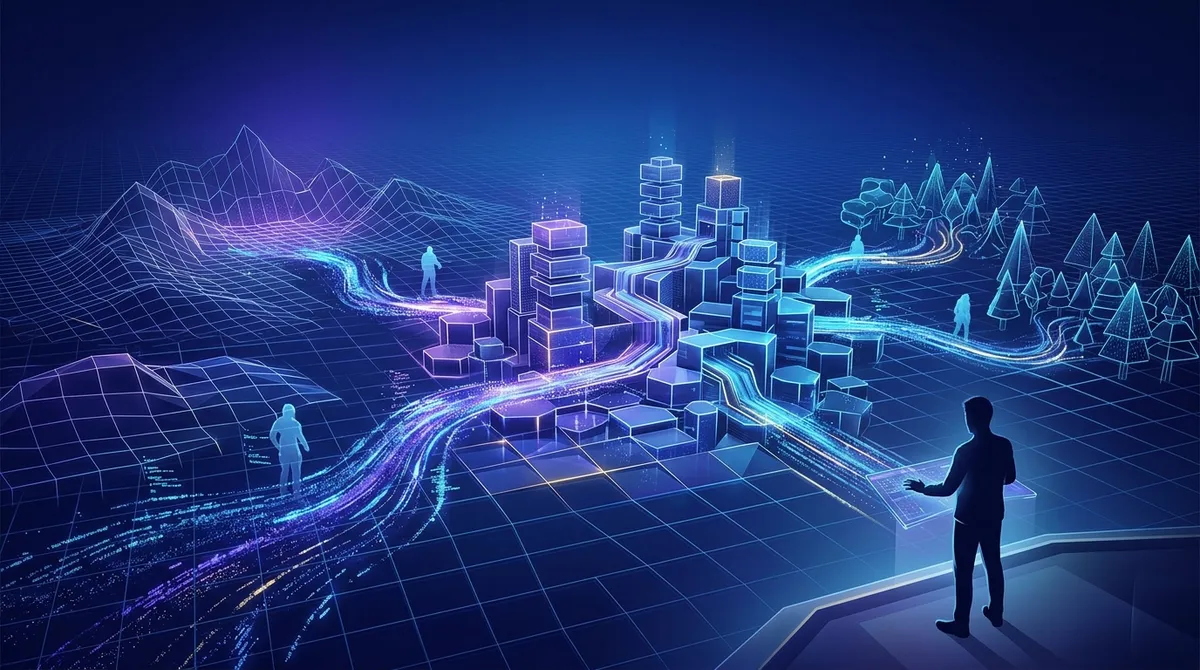
This transformation is particularly significant for procedural content creation, which allows developers to generate vast amounts of game content automatically rather than creating each element manually. This capability is especially valuable for open-world games that require extensive environments, varied terrain, and diverse gameplay scenarios.
Implications for Different Studio Types
The growth in AI-powered development tools has particular implications for different types of game studios. For indie developers, these technologies potentially level the playing field by providing access to sophisticated content generation capabilities that were previously available only to large studios with substantial resources.
Meanwhile, AAA studios are leveraging AI to scale their productions and create increasingly complex game worlds without proportionally increasing development timelines or budgets. The technology enables these studios to meet player expectations for rich, detailed gaming experiences while maintaining efficient production schedules.
Reshaping Development Workflows
AI is fundamentally changing game development workflows across multiple areas. Auto-generated environments allow developers to create diverse landscapes and settings more efficiently than traditional hand-crafted approaches. NPC behavior systems powered by AI can create more dynamic and responsive non-player characters that enhance player immersion.
Live content updates represent another significant application, enabling games to evolve and adapt based on player behavior and preferences. This capability supports the growing trend toward games-as-a-service models that require ongoing content delivery.
Future of Game Design
The projected market growth suggests that AI will continue to reshape fundamental aspects of game design. As these technologies mature and become more accessible, they may influence not only how games are made but also what types of gaming experiences become possible.
The transition from experimental tools to core production infrastructure indicates that AI-powered game development is moving beyond novelty applications toward becoming standard practice across the industry. This evolution reflects the technology's proven ability to address real production challenges while opening new creative possibilities.
Industry Outlook
The substantial projected growth from USD 6.8 billion to USD 28.4 billion over the decade suggests strong confidence in AI's role in gaming's future. This expansion indicates that investment in AI game development technologies will likely continue as studios seek competitive advantages through more efficient production methods and enhanced player experiences.
As the market continues to mature, the integration of AI tools into game development workflows is expected to become increasingly sophisticated, potentially transforming not just how games are made but also expanding the boundaries of what gaming experiences can offer players.