TL;DR
A new startup is merging nuclear reactor cooling principles with data center technology, promising to enhance energy efficiency and sustainability in the face of surging AI demand.
Introduction
In the fast-paced world of technology, data centers are often unsung heroes, powering everything from cloud storage to artificial intelligence (AI). However, managing heat in these facilities is becoming increasingly complex. As AI workloads expand, data centers are facing a cooling crisis that could hinder their growth. But fear not! A promising solution is emerging from MIT's latest startup, Ferveret, which is utilizing innovative nuclear-inspired cooling techniques to tackle the challenge head-on.
How AI’s Energy Problem Becomes a Cooling Problem
The rise of AI is spearheading a data center boom, creating a massive demand for computational power. Unfortunately, this intensified need doesn't come without its issues. Heat generation is skyrocketing within these servers. As a result, excessive cooling requirements lead to staggering energy consumption, often accounting for up to 17% of total electricity usage in the U.S. Today, ensuring optimal cooling is paramount—not just for functionality, but for sustainability.
The Reality of Increasing Power Usage
As data centers expand, operators are contending with power constraints and the pressing need for sustainable practices. Traditional cooling methods often fall short as they consume considerable amounts of electricity and water. Ferveret's Adaptive Phase Cooling system, inspired by nuclear reactor heat-transfer strategies, could provide a game-changing alternative.
What is Adaptive Phase Cooling?
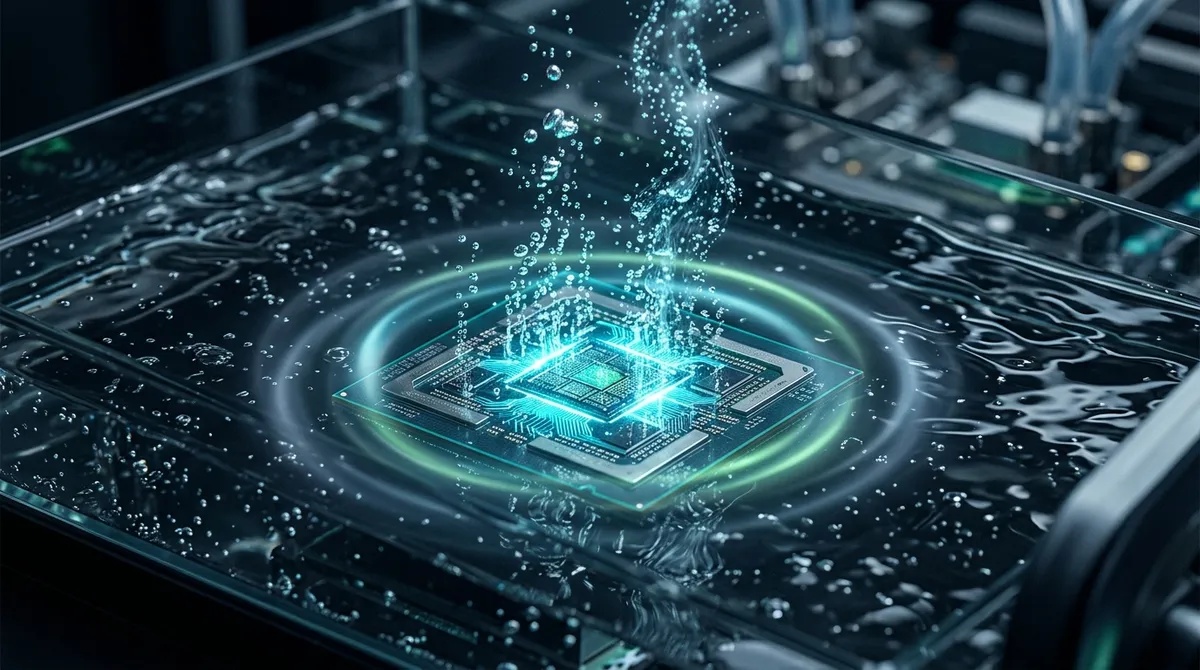
Ferveret's revolutionary Adaptive Phase Cooling relies on a water-free, liquid immersion technique. Unlike conventional air cooling or bulky liquid systems, it creates smaller and more efficient bubbles that enhance heat transfer. This system is designed to improve compute efficiency while significantly reducing energy waste.
The Science Behind It
By harnessing the principles of boiling, Ferveret’s method ensures quicker heat dissipation from the chips, ultimately allowing for higher operating speeds. The result? Data centers using this system can potentially operate with lower energy costs and reduced environmental impact.
The Benefits of Water-Free Cooling
Considering climate change and dwindling water resources, Ferveret’s water-free cooling solution offers an array of advantages:
- Reduced Water Usage: Traditional cooling systems require vast amounts of water—this innovation eliminates that need.
- Sustainability Boost: With the energy landscape shifting towards renewable sources, innovative cooling methods are vital in minimizing reliance on traditional power to keep data centers running.
- Higher Efficiency: The combination of smaller bubbles and liquid immersion means better heat absorption and overall improved compute performance.
The Race to Squeeze More AI Tokens from Every Watt
With the AI industry seeing unprecedented growth, the stakes are high. Operators are compelled to extract more computational power per watt of energy used. Ferveret's approach underscores an urgent reality: optimizing cooling systems can either hinder or accelerate the industry's responsiveness to growing AI demands. The better the cooling, the more efficiently data centers can manage increased workloads without escalating their energy consumption.
Future Implications
As AI continues to permeate virtually every sector—from healthcare to finance—data center infrastructure must evolve. Ferveret stands on the brink of potentially transforming how these facilities operate. By applying nuclear reactor cooling innovations, the startup could pave the way for more efficient data systems, promoting a greener, smarter future.
Conclusion
Ferveret's nuclear-inspired cooling technology is a beacon of hope in the race for more sustainable data centers. With AI driving demand for data processing, adapting cooling methods will be essential for energy efficiency. By embracing innovative solutions, the industry not only stands to benefit economically but also sets a course for an environmentally responsible digital future. Keep an eye on this emerging technology, as it might just be the key to solving the cooling conundrum of modern data centers!